For husbands and fathers

Dads, let’s talk.

I’m here for you, too.

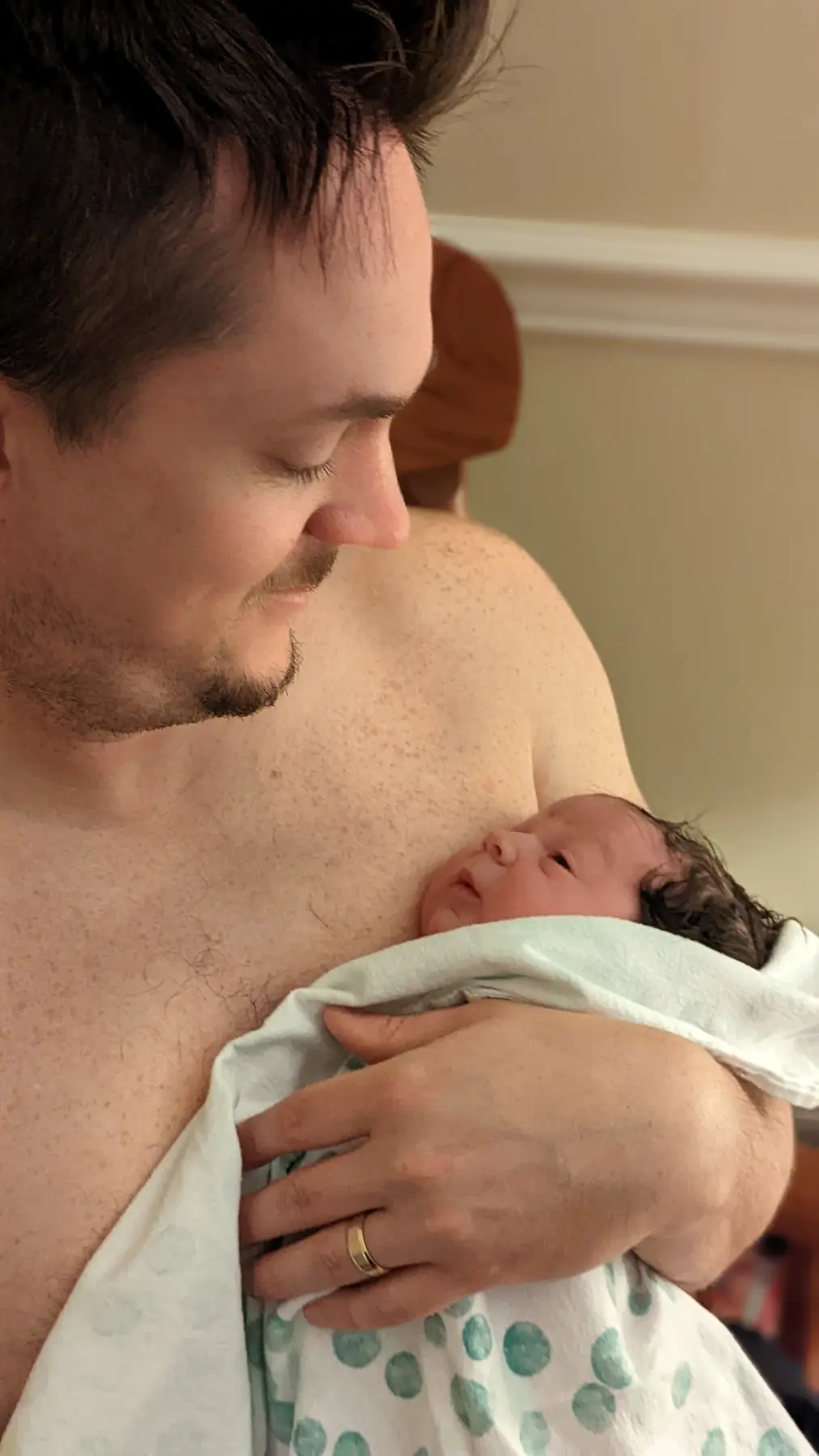
A father tenderly holding his newborn daughter

You are an essential part of the birth team

I am not coming into the birth room to replace you.

I couldn’t replace you.

Your wife knows your voice, your touch, and the safety she feels when you are near. She needs you there. I need you there. My work is most effective when you and I work together.

I am here for your wife and your baby—but I am also here for you.

Practical support in the moment

I help you know how to help.

You love your wife and want to support her well. But when labor becomes intense, it can be difficult to know what she needs from one moment to the next.

Should you rub her back or give her space?

Would a different position help?

Where should you apply pressure during back labor?

Is she ready to go to the hospital?

What can you do when every suggestion seems to receive a firm “No”?

That is where I come in.

I show you practical ways to bring her comfort. I can guide your hands, suggest positions, demonstrate counterpressure, help create movement and space in the pelvis, and give you a clear next step when you are unsure what to do.

You do not have to become a birth expert overnight. I bring the birth experience so that you can concentrate on being her husband.

The first moments of fatherhood

You’re needed in every part of the story.

Your presence matters—not because you have to know everything, but because you are already the person your family knows and loves.

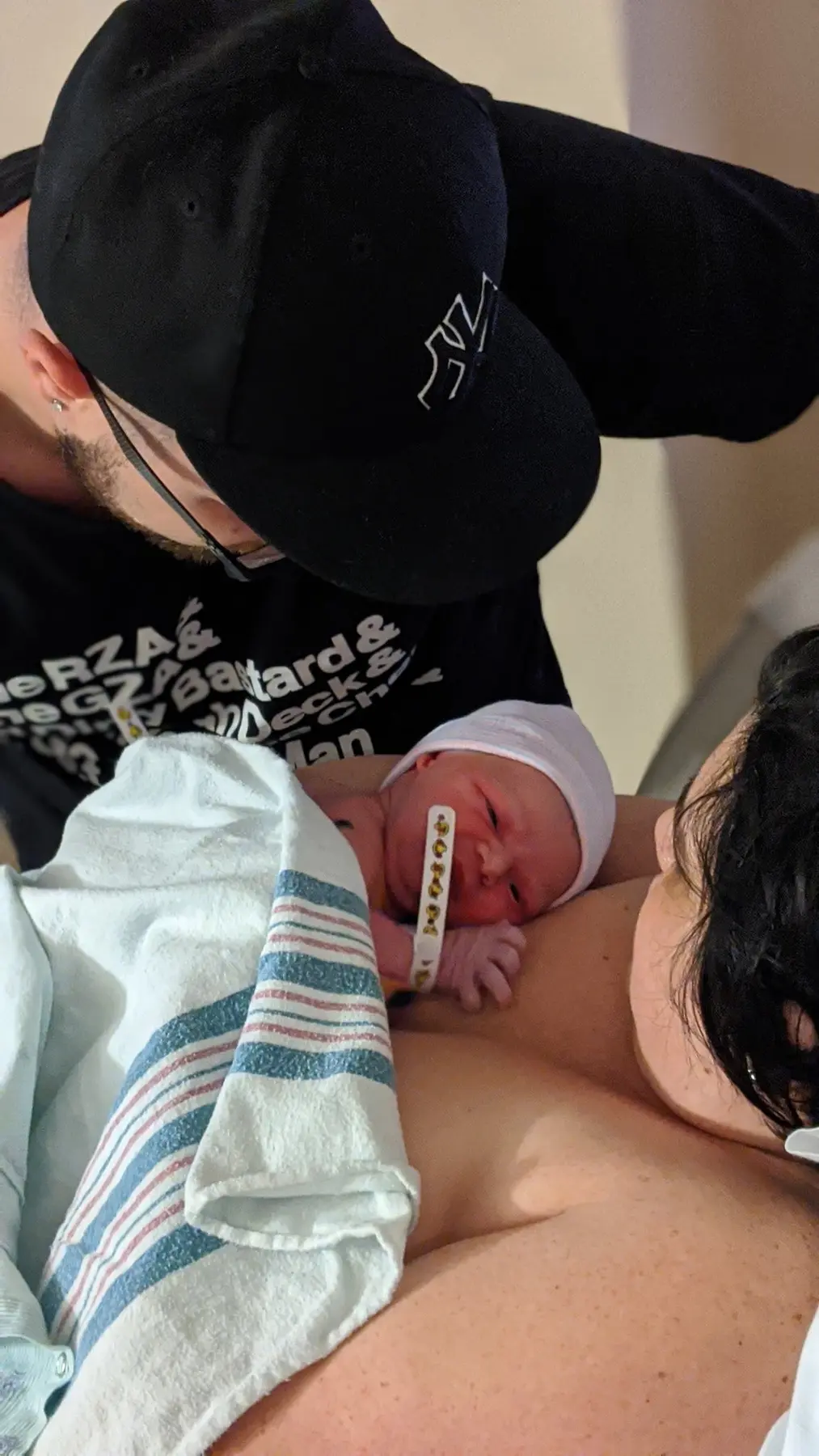
A father leaning close as his wife holds their newborn baby
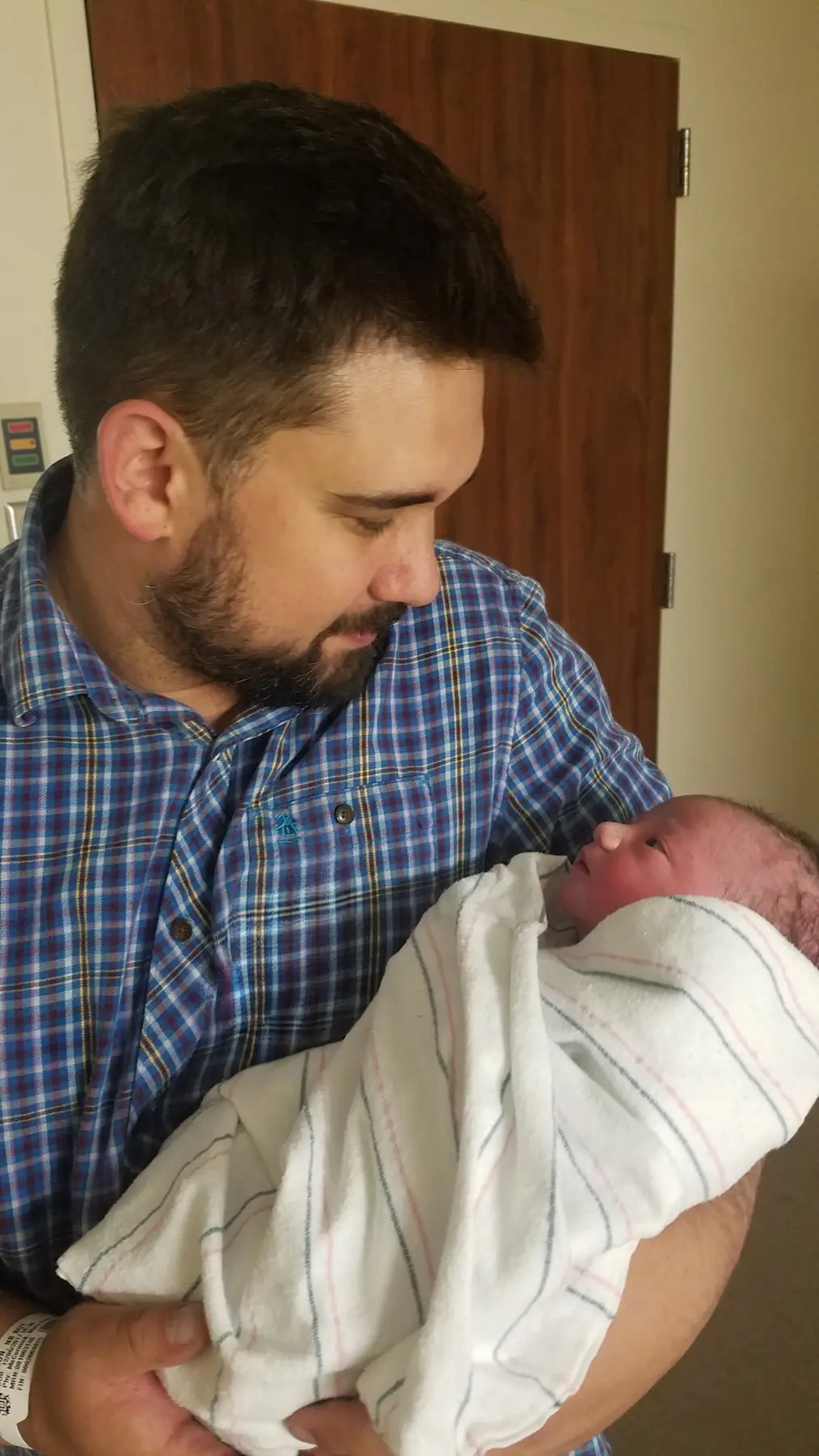
A father in a plaid shirt holding his swaddled newborn
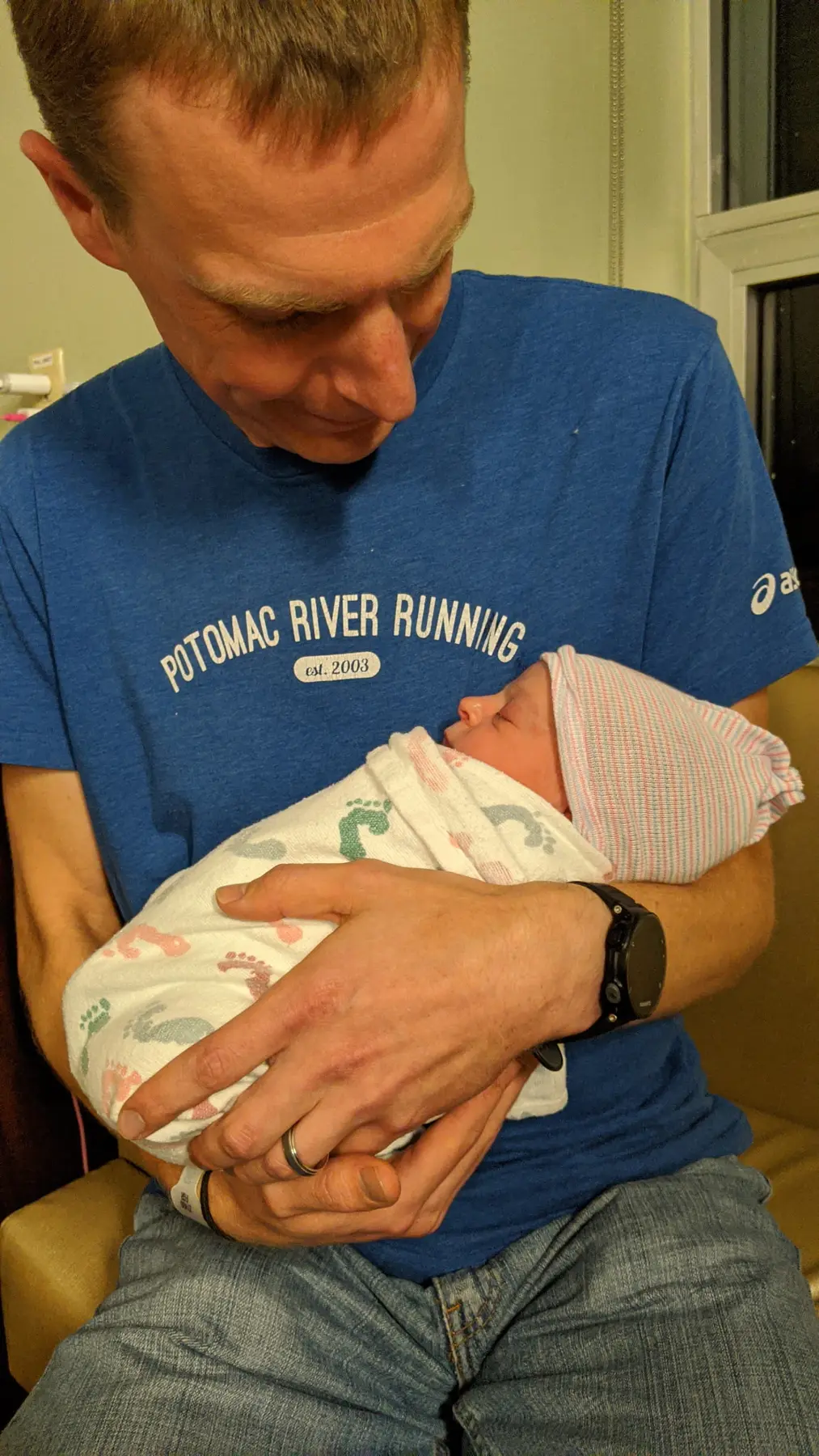
A father cradling his sleeping newborn baby
A bearded father holding his newborn close in the hospital
A smiling father holding his baby skin to skin

A steady presence for the whole room

You stay close to her. I help steady everything around you.

Doctors, midwives, and nurses are essential members of the birth team. Their primary responsibility, however, is clinical care and the safety of mother and baby.

Depending on where you give birth, nurses may be caring for more than one patient, and doctors or midwives may be moving between families. Shifts may also change during a long labor. Even an excellent medical team generally cannot remain continuously at your wife’s bedside providing physical and emotional support.

I can.

I help manage the room environment—lowering the lights, reducing unnecessary distractions, keeping track of your wife’s preferences, suggesting comfort measures, and helping the space remain peaceful.

That allows you to focus on what matters most: looking into your wife’s eyes, reassuring her, praying with her if she desires, and reminding her that she is safe, loved, and not alone.

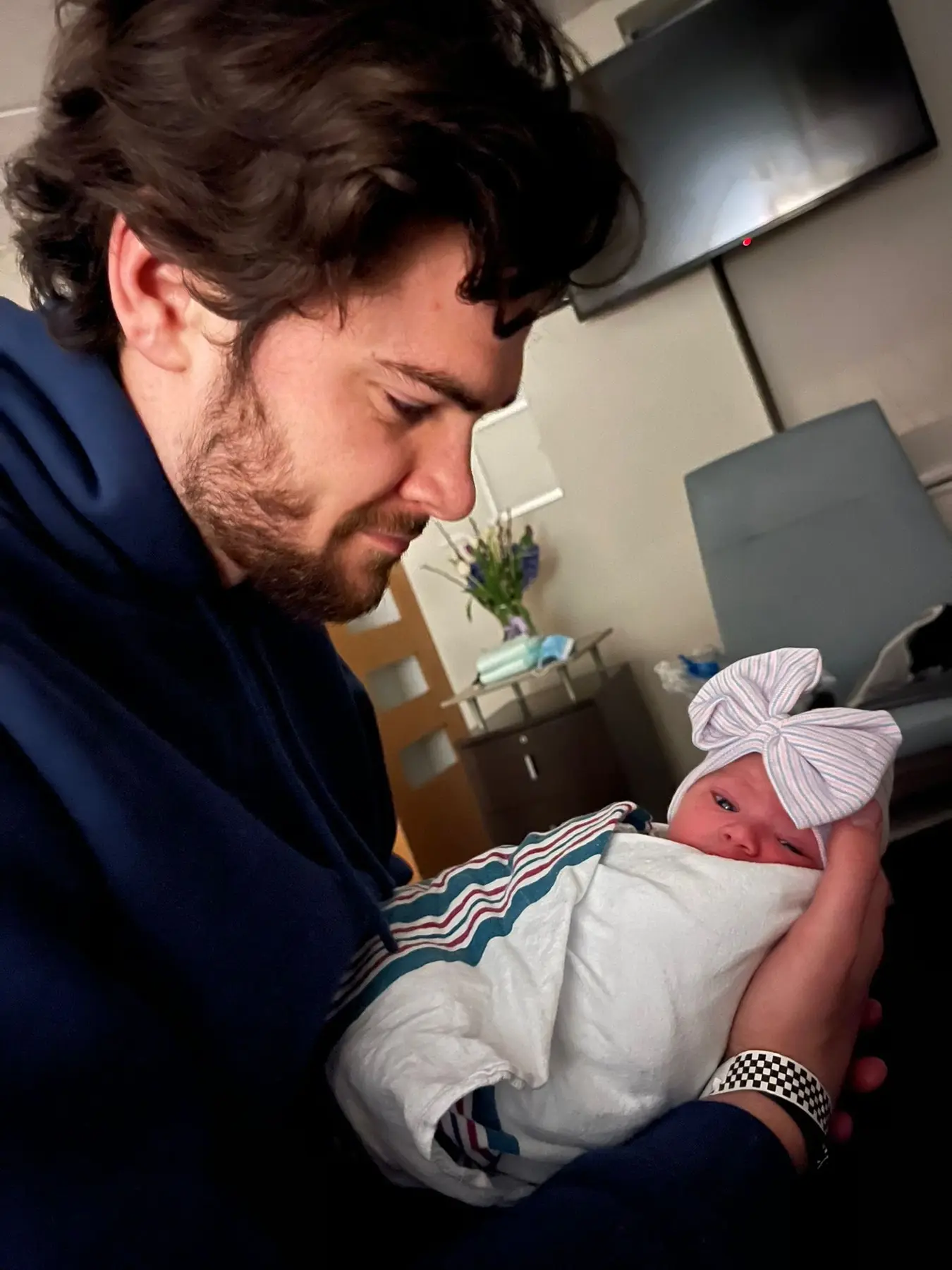
A father and his newborn looking into each other’s eyes

Clarity when the room feels intense

When decisions arise, neither of you has to feel alone.

Birth sometimes brings unexpected decisions. When a doctor, midwife, or nurse explains a procedure or recommends an intervention, the medical language can sound frightening or confusing—especially when your wife is exhausted and you are both feeling pressure.

I do not make medical decisions for you, speak over you, or interfere with your care team. I help steady the moment so that, when circumstances safely allow, you can understand what is being proposed and ask thoughtful questions about the benefits, risks, alternatives, and urgency.

Sometimes medical intervention is necessary and lifesaving. The goal is never to resist needed care. The goal is to support labor well, avoid rushing into interventions that may not be necessary, and reduce the chance of one intervention leading automatically to another when safe alternatives are available.

Most importantly, I help the two of you remain a team.

What the research shows

The research is worth considering.

No doula can promise a particular kind of birth. But when researchers study groups of mothers, the differences can be meaningful.

29%–39%

Lower relative likelihood of a cesarean birth

A 2025 review of randomized trials found a 29% lower relative risk with doula support. In an earlier Cochrane review, the greatest reduction occurred when continuous support came from someone serving specifically in a doula role—39% lower.

36%

Lower risk of an assisted vaginal birth

This means a vaginal delivery in which forceps or a vacuum are used to help guide the baby out.

35%

Lower likelihood of a negative birth experience

This difference was seen when continuous support was provided by someone serving in a doula role.

Read the research: 2025 systematic review of intrapartum doula support Cochrane review of continuous labor support

Preparation, presence, and peace of mind

What are you really investing in?

I understand that $2,250 is a meaningful investment for a growing family. But it is not simply a fee for someone to appear at the hospital on the day your baby is born.

01

Prenatal preparation

Two in-person visits give us room to explore your priorities, discuss birth preferences, practice comfort measures, and prepare your support team.

02

Ongoing phone & text support

From the time we decide to work together, you can reach me by phone or text with questions, concerns, or support through the changes of pregnancy. You are never limited to our scheduled visits.

03

Complete birth support

24-hour on-call availability beginning at 36 weeks, continuous support throughout labor, help with the first latch and meal after birth, and a postpartum visit. It also brings over eleven years of experience.

$2,250Complete care
9Months of pregnancy
$250Per month

You are investing in preparation, experienced support, and peace of mind for both of you during one of the most important days of your lives.

Your wife does not need you to know everything. She needs you to be present.

Let me help you do that with confidence.